


 Verica Gavrilovic
The ultimate goal of modern home automation is to make the technology completely invisible. You shouldn’t have to constantly pull out your phone to make things happen.
You should only have to speak to your system when absolutely necessary. Most of your automations should work without your direct input. But to reach such a lofty goal, you need a little bit of home automation magic. Enter geofencing.
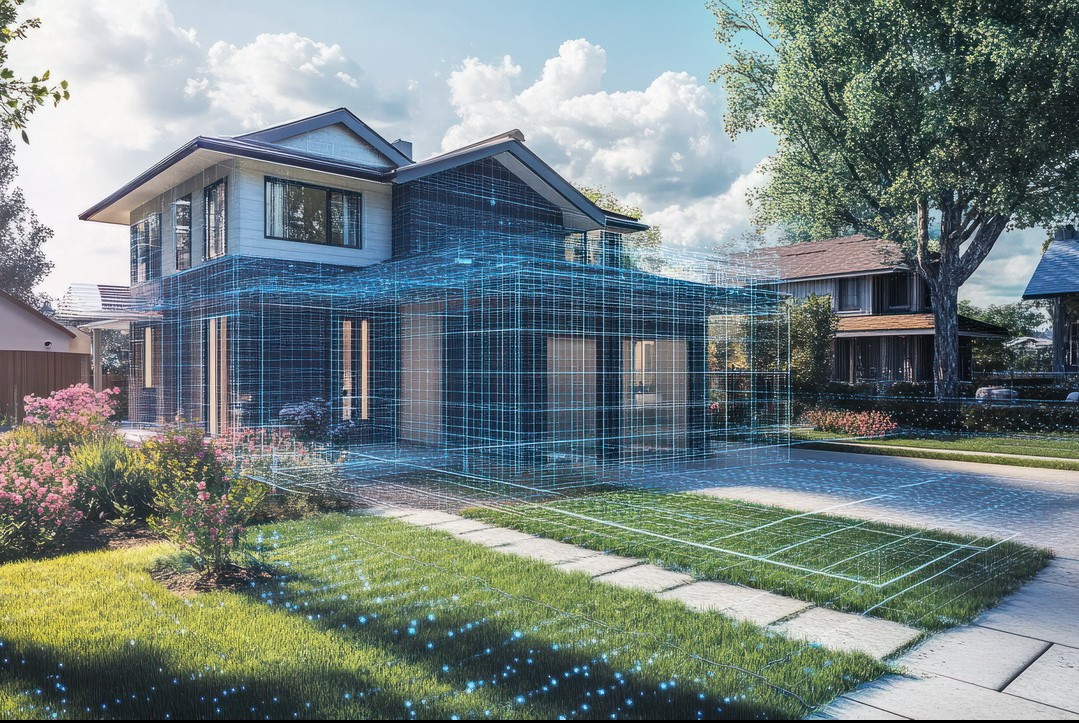
Geofencing is a bit of invisible technology that creates a boundary line around your home. This boundary line bridges the gap between where you are and how your home responds to your location.
While not every routine in your home automation system would be subject to geofencing, those that are could be made automatic based simply on your location. Try it once and you will be hooked.
Geofencing: A Basic Definition
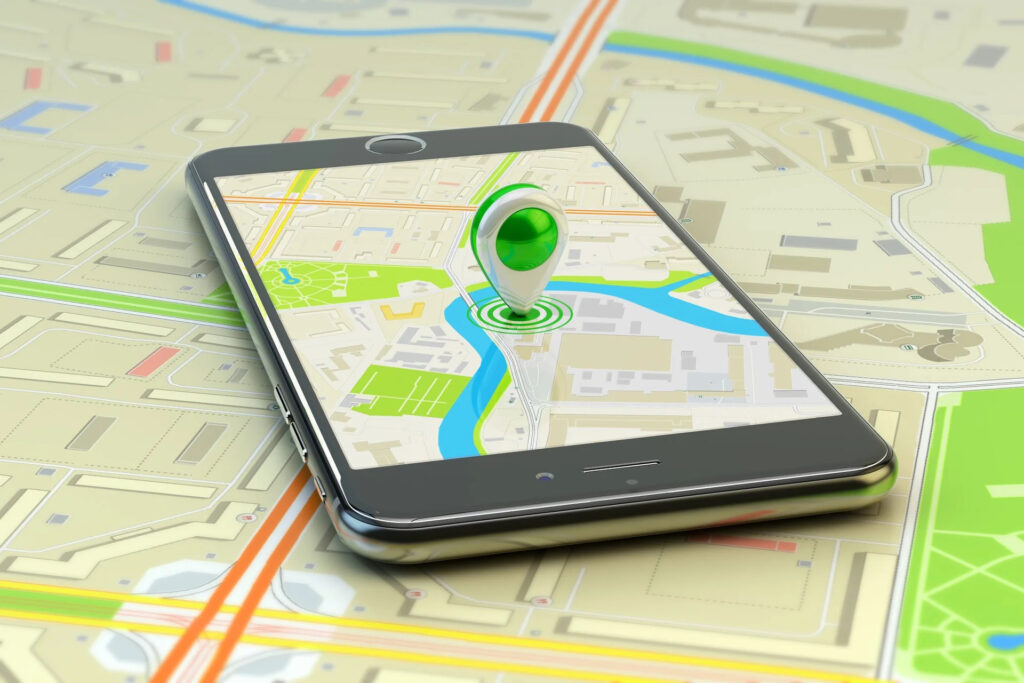
Geofencing is a digital technology at its core. If you have a modern smartphone, it should already be equipped to utilize geofencing. How it works is actually in the name itself.
Think of geofencing as building an electronic fence around your property. Every time you open the gate to come in or go out, you trigger digital instructions.
The nice thing is that you can make your digital fence as large or small as you like. You can also create multiple fences.
This is helpful if you need your home automation system to respond differently based on specific locations, like a relative’s house.
It’s also worth noting that your geofences do not have to be limited just to your property. You can create a geofence around your workplace, programming your home automation system to respond in a certain way when you leave work. The beauty of geofencing is that its possibilities are nearly endless.
How It All Works
Consumer geofencing relies on a piece of technology nearly every adult owns: a smartphone. Your smart home platform also has a mobile app that allows you to control devices remotely. If you have a Vivint system, you likely have the Vivint app.
Likewise, if you use the Home Assistant software. Either way, the app keeps track of your location based on where your phone is.
Your movement is constantly tracked by:
- GPS – The primary means of tracking you comes by way of the GPS (Global Positioning System) on your phone. GPS can tell exactly where you are within a foot or two.
- Cell Towers – To save battery power, your phone is constantly pinging nearby cell towers to maintain a network connection. Your phone can use this data to pinpoint your location.
- Wi-Fi and Bluetooth – On a more local level, your phone also keeps track of where you are based on Wi-Fi and Bluetooth connections.
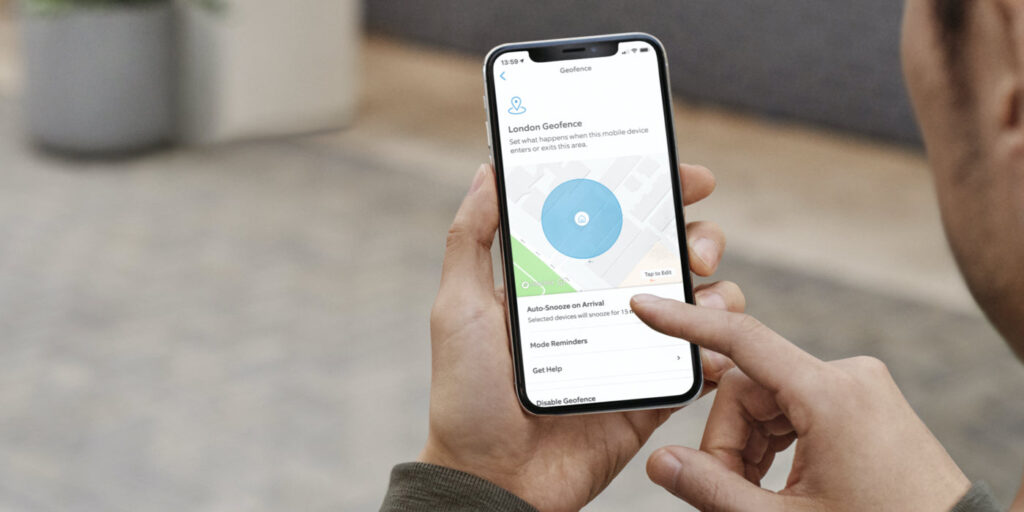
With geofencing, you create boundaries around your home and other destinations. You then program your system to respond when you enter and exit those boundaries. It’s actually pretty simple when you stop and think about it. You’re essentially programming two types of events:
- Enter Events – Enter events are things that you want to happen once you enter a designated perimeter. For example, you might want the porch light to turn on.
- Exit Events – Exit events are just the opposite. These are things you want to happen as you leave the perimeter, like locking your front door.
By combining these events with your physical location, you can set up your home automation system to do all sorts of things in the background. You never have to worry about doing those things manually again.
How Geofencing Makes Home Security Better
Home security systems are great tools for keeping a home safe. But according to Vivint, they are susceptible to a major flaw: human error.
For example, a home security system is useless if a homeowner forgets to arm it on their way out the door. Yet forgetting to arm is one of the most common mistakes homeowners make.
Geofencing can eliminate most of the problems that come with human error. By programming certain enter and exit events, the system can be programmed to do things with no direct human input. Doors will always be locked, lights will always be turned on and off, and so forth.
Geofencing can also make a home safer by keeping burglars at bay. For example, a routine that automatically closes the garage door as the homeowner drives away prevents passers-by from peeking inside.
A homeowner can leave for work and never have to worry about whether or not he closed the garage door.
How Geofencing Makes Home Automation Better
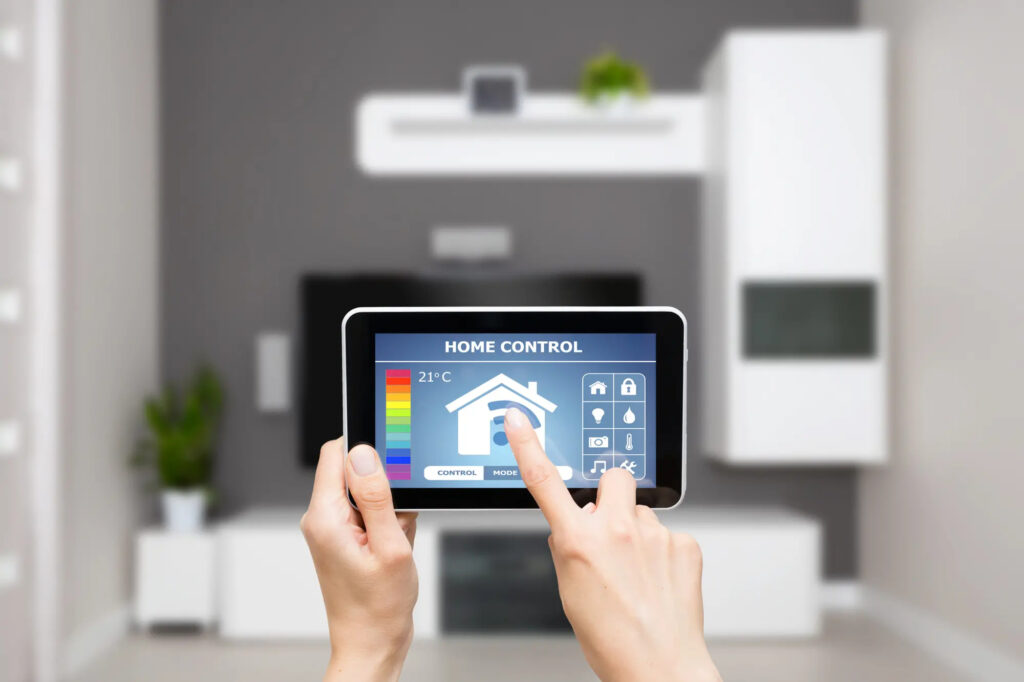
Homeowners can obviously utilize geofencing for more than just better security. A good geofencing setup can make a home automation system better. It can transform home automation from a simple novelty into a generally helpful technology by linking events to locations. Here are some examples:
- Temperature Control – Geofencing can be utilized to establish anticipatory temperature control. For instance, you can program your system to modify the thermostat before you get home from work. But a geofencing rule can modify the programming if you need to work late.
- Path-of-Travel Lighting – Geofencing makes it possible to activate and deactivate exterior lighting based on your location. For example, you could have walkway lights, the porch light, and the entryway light all turn on automatically as you pull into the driveway.
- Occupancy Awareness – Geofencing can be made occupant-aware. That way, it can monitor multiple cell phones so that certain events aren’t triggered if someone is still at home.
Geofencing’s main selling point is that it eliminates friction. The more frictionless a home automation system can be made, the more convenient it becomes to use.
A frictionless home automation system can save energy, improve security, and just make your home easier to live in.
If you already have a home automation system but are not yet integrating geofencing, consider leveling up.
And if you are new to home automation altogether, be sure to put geofencing on your to-do list. Mastering it opens a whole new world of possibilities that will blow your mind.

