


 Anita Kantar
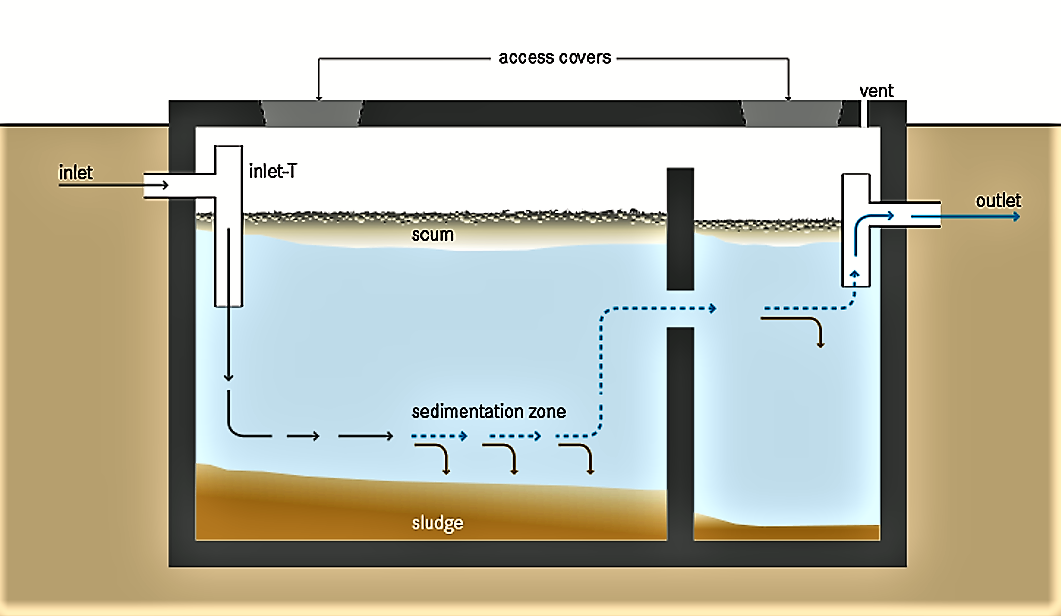
A septic tank is an underground wastewater treatment system that treats and disposes of household sewage. The fundamental principle behind the operation of a septic tank is the separation of solids from liquids, which occurs through settling and biological processes.
Wastewater flows from the house into the septic tank, where solids are deposited at the bottom and are subjected to anaerobic decomposition by microorganisms. This process reduces the volume of waste, which is later released into the drain field for further treatment.
The clear liquid that emerges from the tank largely consists of water, nutrients, and certain pathogens, which are then broken down in the soil of the drain field.
This natural filtration process is crucial, as it allows for the safe infiltration of treated wastewater into the groundwater system, ultimately leading to a more sustainable method of waste management.
Common Myths Debunked ─ What You Need to Know
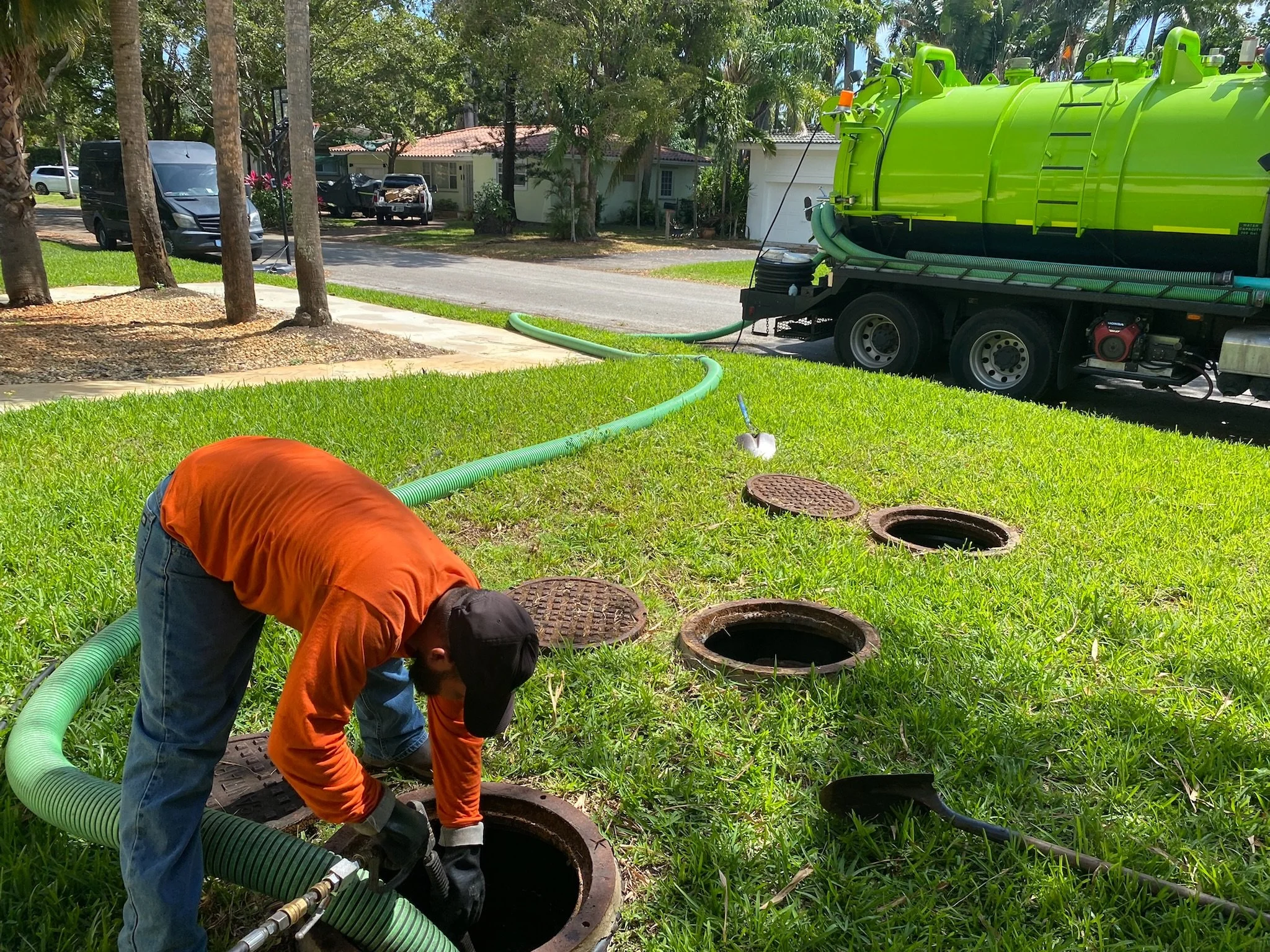
There are numerous misconceptions surrounding septic tanks that can lead to poor maintenance and hazardous outcomes. One prevalent myth is that septic tanks do not require maintenance. In reality, regular inspections and pumping are necessary to ensure the longevity and functionality of the system.
Another myth is that septic tanks are “set it and forget it” solutions, which downplays their complexity as biological systems requiring careful management. People also often believe that flushing non-degradable items down the toilet is harmless, as if everything will just decompose.
This can lead to clogging and system failure. Understanding these myths is vital, as they directly impact the health and efficacy of both your septic system and the surrounding environment.
Key Components of a Septic Tank and Their Functions
The septic tank comprises several key components, each serving a distinct purpose. At the core is the tank itself, usually made of concrete, fiberglass, or plastic. The inlet pipe directs wastewater into the tank, while the outlet pipe allows treated effluent to exit into the drain field. Inside the tank, baffles separate the inlet and outlet flow, preventing the scum from escaping and ensuring proper treatment of the waste.
The scum layer, formed from lighter substances such as oils and fats, floats on top, while heavier solids settle to the bottom, known as sludge. Between these two layers lies the effluent, which is the liquid waste that is treated before it disperses into the ground.
Understanding these components and their roles is integral for homeowners, as it highlights the necessity of proper care and the interconnectivity of each part in maintaining an efficient septic system.
The Importance of Regular Maintenance ─ Your Septic Tank’s Best Friend
Signs Your Septic Tank Needs Immediate Attention
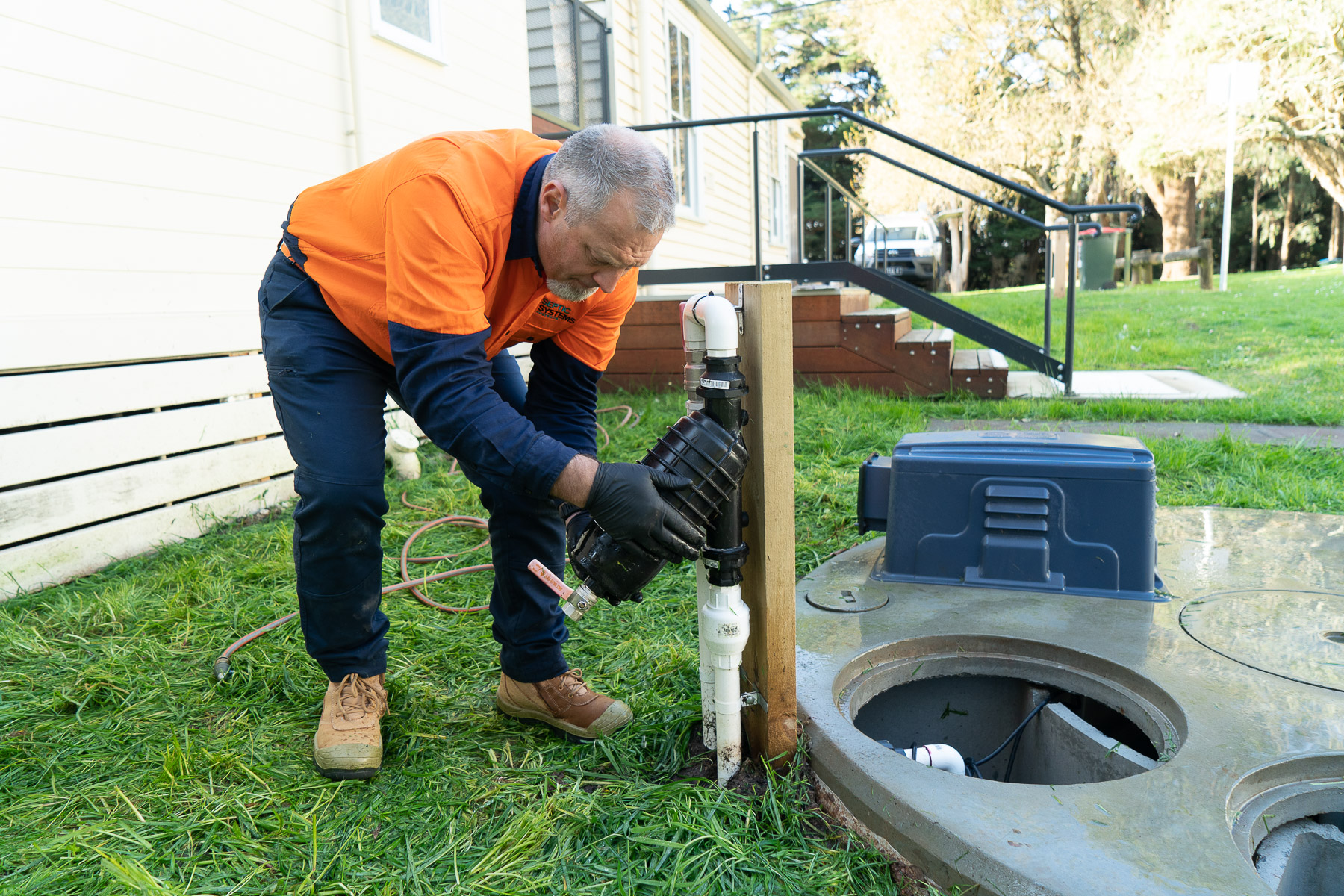
Recognizing when your septic tank requires professional attention is essential for preventing costly repairs and environmental hazards. One major warning sign is the presence of sewage backups in your home, which can manifest as slow-draining sinks or toilets that won’t flush.
Additionally, if you notice foul odors emanating from your drain field or around your home, this is a serious indication that your septic system may not be functioning properly. Another alarming sign is the presence of lush green grass or soggy areas near the drain field while a green lawn is typically a positive, it can signal leaks or over-saturation in septic systems.
Similarly, unusual gurgling noises in plumbing lines can reflect air buildup due to clogs or blockages within the tank. Recognizing these signs early can save homeowners from more severe issues linked to system overloads or environmental contamination.
How Often Should You Schedule Pumping and Inspections?
Regular maintenance is critical for ensuring that a septic system remains efficient. The general recommendation is to schedule a septic tank pumping every three to five years; however, this can vary based on household size and wastewater production.
For larger families or homes with high water usage, more frequent pumping may be necessary. In addition to pumping, it is vital to have your septic system inspected at least once a year. During these inspections, professionals can assess the tank’s condition, check for leaks, and evaluate the drain field’s functionality.
They can also provide guidance on maintaining the septic system, which often involves the mindful disposal of waste and periodic use of bacteria-boosting septic additives. Establishing a regular maintenance routine can significantly prolong the life of your system while minimizing unexpected issues.
The Role of Bacteria in Maintaining a Healthy System
Bacteria play a crucial role in the successful operation of a septic system. Inside the tank, anaerobic bacteria break down waste materials, converting solids into gases, liquids, and a small amount of solid waste.
This natural digestion process not only reduces the volume of sludge but also minimizes the production of harmful byproducts. It’s important to maintain a balanced environment for these bacteria to thrive, which can be disrupted by excessive use of harsh chemicals or non-biodegradable products that hinder microbial activity.
Homeowners can support the health of their septic system by introducing specific bacteria through commercial septic tank treatments, designed to replenish and encourage the growth of beneficial microorganisms.
By fostering strong bacterial populations and minimizing chemical use, homeowners can enhance the efficiency and longevity of their septic systems.
Choosing the Right Service Provider ─ What to Look For
Essential Qualifications and Certifications for Septic Tank Professionals
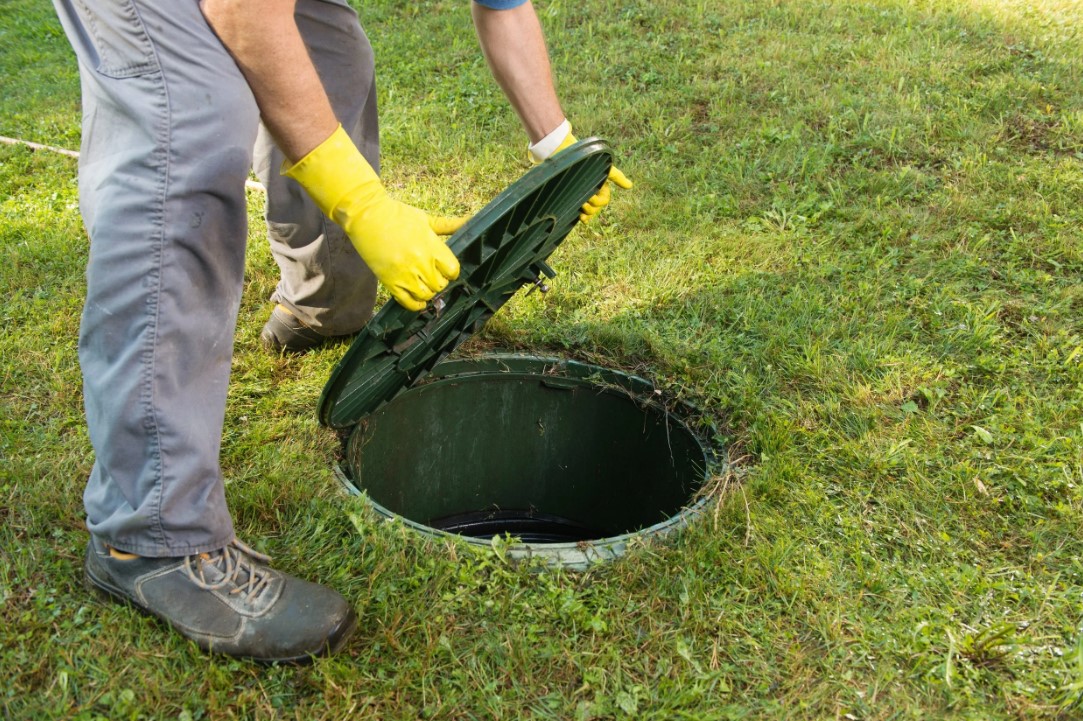
Selecting a reliable septic tank service provider is paramount for ensuring the quality and safety of your wastewater management. The first step is to check for required licenses and certifications, which can vary by state.
A reputable professional should hold a valid license from a governing body, ensuring they meet industry standards and regulations. Additional certifications from organizations like the National Association of Wastewater Technicians (NAWT) or the National Onsite Wastewater Recycling Association (NOWRA) can indicate a commitment to ongoing education and best practices.
It’s also important to verify their insurance coverage, which protects you in case of damage or accidents during the service. Choosing a qualified professional not only ensures compliance with legal standards but also provides peace of mind regarding the quality of service you will receive.
How to Spot Red Flags in Septic Tank Service Companies
While there are many reputable septic tank service providers, some may employ less-than-honest practices. Being able to identify red flags can save you from potential scams and shoddy work. One major warning sign is a lack of transparency in pricing if a company cannot provide clear estimates or offers a drastically lower price than competitors without explanation, proceed with caution.
Additionally, be wary of companies that pressure you into immediate decisions or provide vague explanations about service processes. Poor customer service, such as difficulty in reaching the provider for questions or concerns, is also a red flag.
Checking online reviews and getting recommendations from friends and family can help direct you toward trustworthy options while steering you clear of those with dubious practices.
Customer Reviews ─ The Hidden Treasure of Service Selection
Customer reviews are invaluable resources when evaluating septic tank service providers. Word-of-mouth testimonials and online feedback can provide insights into the experiences of previous clients, giving you a well-rounded understanding of the company’s reputation.
Pay attention not only to the overall rating but to specific comments about customer service, punctuality, quality of work, and post-service follow-ups. A service with consistently positive feedback is more likely to demonstrate professionalism and reliability.
However, it’s also essential to interpret negative reviews critically; look for patterns in complaints rather than isolated cases. By leveraging customer reviews, homeowners can better navigate their options and choose service providers that align with their quality expectations and maintenance needs.
Innovations in Septic Tank Technology ─ The Future of Waste Management
Eco-Friendly Solutions ─ Greener Options for Homeowners
As environmental concerns grow, septic tank technology is evolving to incorporate eco-friendly solutions that benefit homeowners and the planet alike. One promising trend is the adoption of advanced treatment systems that utilize natural processes for wastewater treatment. For instance, systems utilizing constructed wetlands or aerobic treatment units (ATUs) combine efficient wastewater processing with minimal ecological disruption.
Homeowners can also consider the use of composting toilets, which drastically reduce water use while producing nutrient-rich composting material. Furthermore, companies are developing bioengineered products that enhance microbial activity within septic tanks, allowing for better waste breakdown without relying on harmful chemicals.
By adopting these greener alternatives, homeowners can play an active role in reducing their environmental impact while benefiting from improved waste management systems.
Smart Technology ─ Monitoring Your Septic System from Anywhere
Technology advancements have led to the development of smart septic systems equipped with sensory and monitoring capabilities. These systems can track performance metrics such as tank levels, pressure, and even leaks in real time, sending alerts directly to homeowners via smartphones or digital dashboards.
This level of monitoring allows for proactive maintenance, enabling homeowners to address potential issues before they escalate into costly repairs. Additionally, some smart systems are integrated with solar energy solutions, promoting sustainability while reducing operational costs.
As these technologies continue to develop and become more affordable, we can expect a significant shift in how homeowners manage their septic systems, ushering in a new era of convenience, efficiency, and enhanced environmental stewardship.
Trends to Watch ─ Expanding the Horizons of Septic Services
The future of septic tank services is poised for transformation as trends in sustainability and innovation come to the forefront. One emerging trend is the integration of green building practices with septic design, wherein septic systems are tailored to complement eco-friendly homes and landscapes.
Additionally, the rise of decentralized wastewater treatment solutions is gaining traction, as communities seek alternative methods to manage wastewater away from traditional municipal systems. These decentralized options, ranging from group systems to advanced eco-treatment facilities, empower neighborhoods and communities to take charge of their wastewater management.
As we move forward, it will be crucial to keep an eye on these evolving trends, as they not only influence the efficiency of septic services but also help pave the way for a more sustainable, environmentally friendly future in waste management.

