


 Darinka Aleksic
Starting your first hiking trip is exciting, but it can also feel overwhelming when you realize how much gear is out there. Beginners often wonder what’s truly essential and what can be skipped until later.
The truth is, you don’t need a mountain of expensive equipment to start hiking safely and comfortably, but you do need to prepare with the right basics. This guide breaks down the core gear every beginner should pack for their first outdoor adventures.
Key Points
- Choose lightweight but reliable gear that matches the terrain and weather.
- Footwear and backpacks are the two most important investments.
- Layered clothing keeps you comfortable across changing conditions.
- Basic safety tools, including navigation and first-aid items, are non-negotiable.
- Hydration and energy snacks are as important as technical gear.
- Small emergency items can make the difference in safety and comfort.
1. Footwear and Backpack
If you’re new to hiking, start with two pieces of gear that make or break your experience: your shoes and your backpack.
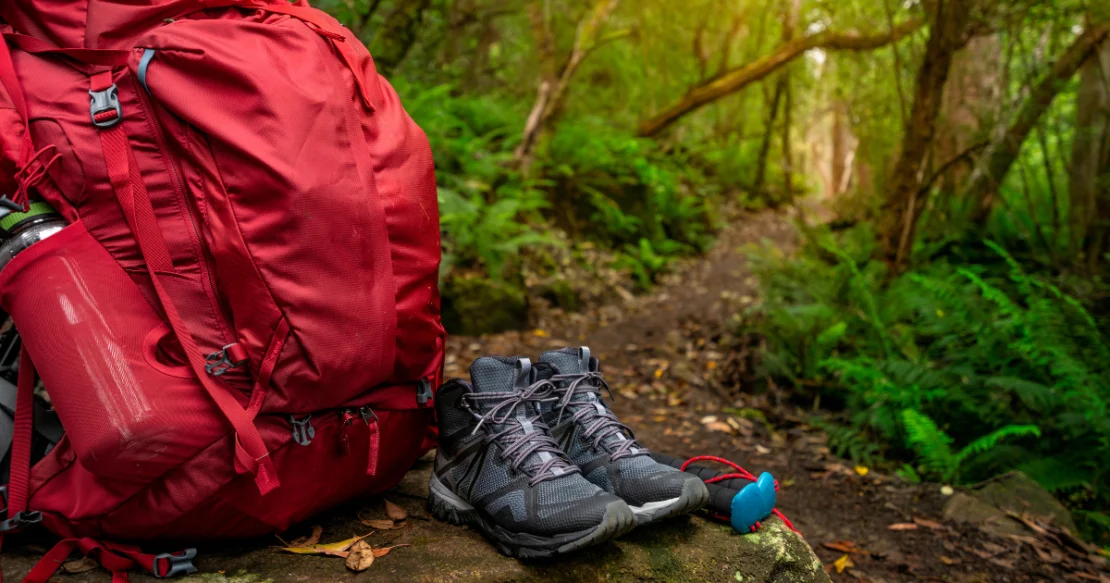
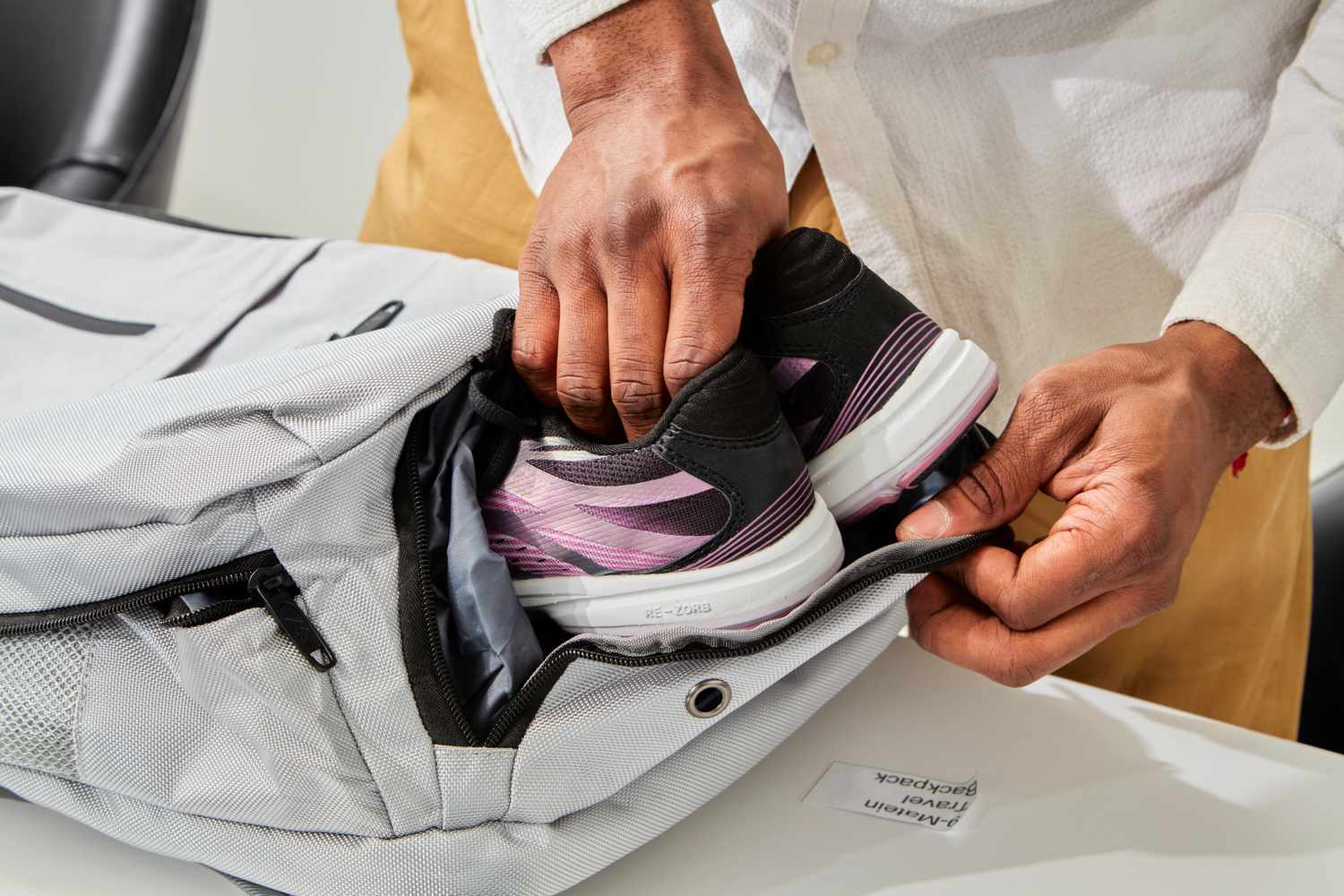
Good hiking shoes or boots provide traction, ankle support, and protection against blisters. Beginners often try hiking in running shoes, which may be fine for flat, dry trails but quickly become uncomfortable or unsafe on rocky or muddy terrain. Investing in a pair of quality trail shoes or mid-cut boots ensures stability and reduces the risk of injury.
The second cornerstone is a properly fitted backpack. Look for one with padded straps, a hip belt, and adjustable features. Even for shorter hikes, distributing weight evenly across your body keeps fatigue low. A 20- to 30-liter pack is usually enough for beginners, giving space for water, snacks, and layers without overwhelming bulk.
2. Clothing: Dressing in Layers
The weather on the trail changes fast. The key to staying comfortable is layering, which allows you to add or remove clothing as temperatures shift.
- Base layer: Wicks away sweat and keeps your skin dry. Synthetic or merino wool is ideal.
- Insulating layer: Retains warmth when temperatures drop, such as a fleece or light down jacket.
- Outer shell: A waterproof, breathable jacket that protects against wind and rain.
Avoid heavy cotton clothing, since it traps moisture and chills the body. Even on short day hikes, carrying an extra pair of socks can make the trip much more pleasant if your feet get wet.
3. Safety and Emergency Basics
First-time hikers often underestimate the importance of packing safety items. Even if you only plan a two-hour walk, being prepared for the unexpected matters.
Navigation tools top the list. Carry a map and compass, and learn the basics of how to use them. While GPS apps on your phone are convenient, batteries die quickly in the cold or with constant use.
A first-aid kit is another must. Stock it with bandages, antiseptic wipes, blister treatment, and pain relievers. Beginners may also want to add a compact outdoors emergency blanket. It’s light, takes almost no space, and can provide crucial warmth in case of sudden weather changes or an injury that forces you to stop moving.
Bringing a small whistle and headlamp rounds out the essentials. These items may seem minor, but in emergencies, they can mean quick signaling and hands-free lighting when the sun sets earlier than expected.
4. Hydration and Food: Fueling Your First Trip
Carrying enough water is critical. Beginners should bring at least one to two liters, depending on the hike’s length, plus a water filter or purification tablets for longer trips. Hydration packs with a drinking tube are especially convenient, letting you sip steadily without stopping.
Energy snacks are just as important. Choose foods that are light but calorie-dense, such as:
- Trail mix with nuts, dried fruit, and a bit of chocolate
- Protein or granola bars
- Cheese and whole-grain crackers
- Jerky or other lean dried meat
Packing food in small, resealable bags keeps it organized and easy to eat on the move. Remember, your body burns more energy on trails than in daily life, so having snacks every hour keeps your energy steady.
Comfort Items That Make a Difference
While not technically essential, certain items improve your first trips and prevent common discomforts.
- Trekking poles: Helpful for balance on uneven terrain and reducing strain on knees during descents.
- Sun protection: Sunglasses, sunscreen, and a wide-brim hat protect against UV exposure.
- Insect repellent: Often overlooked until you find yourself scratching through the night.
- Multi-tool or knife: Useful for everything from food prep to fixing gear.
These extras don’t weigh much but contribute significantly to a safe and comfortable hike.
Packing Strategy: Keep It Simple
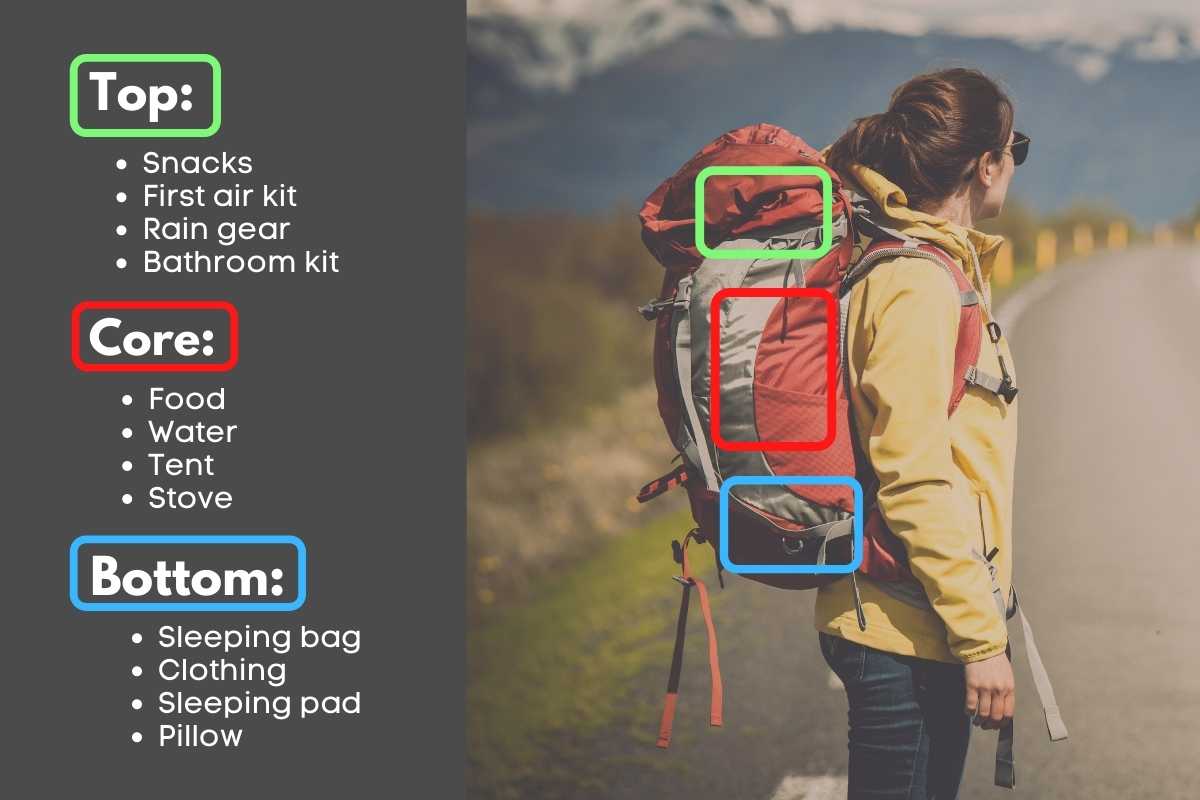
One mistake beginners make is overpacking. Bringing too much gear slows you down and makes the experience less enjoyable. A simple rule is to pack only what you need for the conditions and duration of your trip.
Organize your backpack so the heaviest items, such as water and food, are close to your back and centered. Place frequently used items like snacks, a map, or a headlamp in outer pockets. Extra clothing can fill gaps and provide a cushion for harder items.
Preparing Mentally for Your First Trip
Gear alone doesn’t make you ready. Beginners benefit from starting with shorter, well-marked trails and gradually building experience. Check the weather forecast, tell someone your hiking plan, and start early in the day to avoid rushing.
Confidence grows with practice. Your first trip is as much about learning how your body responds to carrying weight, navigating terrain, and pacing yourself as it is about enjoying nature. Each outing teaches what gear you rely on most and what can be left behind next time.
Final Thoughts
Hiking is one of the most rewarding ways to connect with nature, and beginners don’t need to spend a fortune to get started.
Focusing on essentials like proper footwear, a good backpack, layered clothing, and basic safety tools creates a solid foundation for your first adventures.
Over time, you’ll fine-tune your setup and add comfort items that suit your style. With smart preparation, every hike becomes not just safer but more enjoyable, setting the stage for countless trips ahead.

