


 Anita Kantar
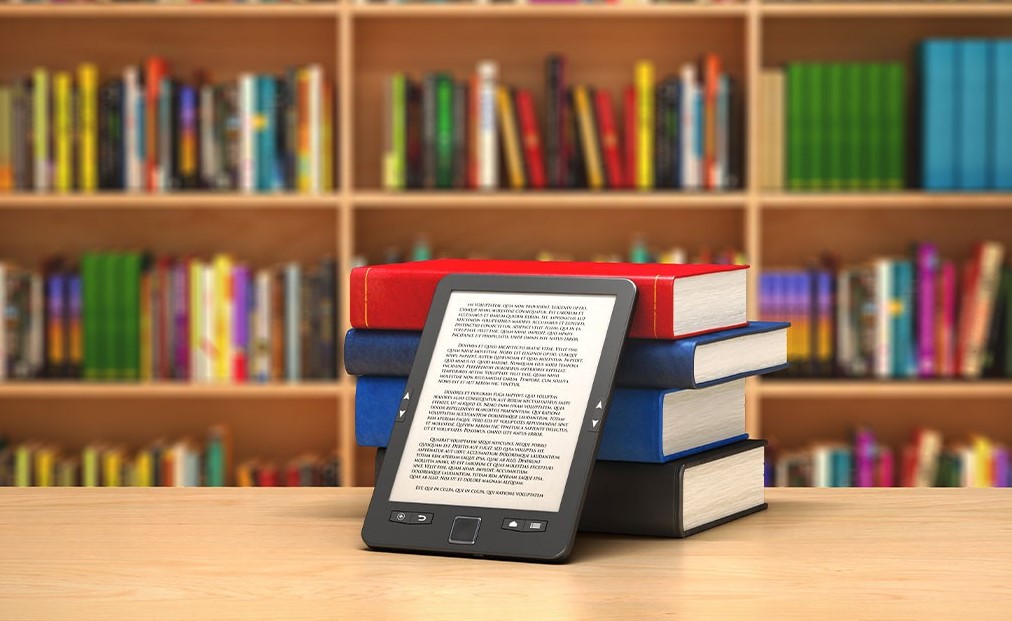
Books carry weight in more ways than one. Printed volumes demand trees for paper water for processing and fuel for distribution. Every copy on a shelf has already taken a toll on forests and rivers before a reader ever cracks the spine. In contrast an e-library exists without stacks or warehouses. A single file can reach millions of readers without requiring one extra tree. This shift matters in a world where forests shrink each year.
There is also an aspect of scale worth noting. Some digital collections have grown so large they rival the holdings of major national libraries. For instance it is simple to compare Z lib by how many books it offers since its database is vast and constantly updated. That kind of reach would be impossible with paper alone. The change is not just about convenience but about reducing pressure on natural resources in a quiet steady way.
Cutting the Carbon Footprint of Reading

Energy use is another part of the puzzle. Printing shipping and storing physical books all rely on fossil fuels. Trucks and ships move heavy pallets across borders adding invisible smoke to the sky. Digital files do not ride on trucks. They move across networks that run on electricity which can increasingly come from renewable sources. A single device can hold thousands of titles so the environmental impact per book drops dramatically.
Some argue that electronic devices carry their own footprint because of production and recycling. That point is fair yet the balance often tilts toward digital when measured across years of reading. Devices last longer than many expect and the savings from fewer printed copies add up. The key is that one reader with one tablet can save the production of hundreds of physical books. The ripple effect of such habits spreads across communities.
Everyday Choices That Shape the Future
Shifts in reading habits do not always show up on global charts yet they make a difference. Picking a digital book means fewer inks chemicals and cartons. It also means less storage space in homes and less waste when old copies are discarded. One decision made at night before bed connects to the health of rivers and forests far away.
That connection becomes clearer when considering how people actually use e-libraries today. Some open a classic novel others download a new science text. Whether it is Shakespeare or modern research the path is the same: instant delivery without trucks or paper. To understand these links more deeply consider a few practical ways digital libraries reduce harm:
Less Paper Waste
Printed books end up in landfills when damaged or outdated. Digital versions avoid this entirely since a file does not tear or fade. The energy saved by skipping recycling plants and waste management is significant. Readers gain access to the same stories without producing stacks of discarded paper. Libraries once forced to weed out volumes now rely more on digital collections that never wear out. The cycle of buy use and throw away loses its grip when content exists in stable digital form.
Lower Shipping Emissions
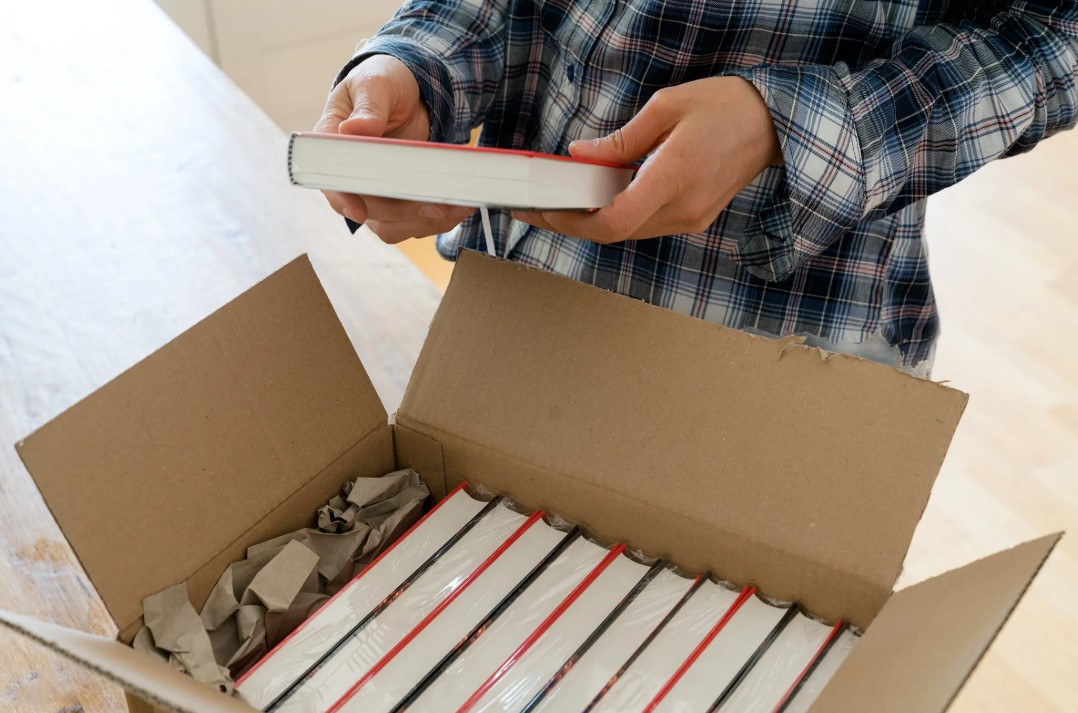
Delivering a printed book across continents demands planes or ships. Each journey burns fuel and adds carbon to the atmosphere. Digital files travel instantly over fiber cables with a fraction of the cost in emissions. Even when servers consume energy they do not come close to the weight of a global shipping network. This shift reduces congestion on roads and lowers the demand for packaging materials like plastic wrap and cardboard. The gain is not flashy yet steady like a drumbeat.
Shared Access Without Duplication
A single printed book can serve one reader at a time. Digital libraries break this limit by allowing countless readers to open the same file at once. No extra ink, no extra pulp. This model means knowledge can spread without multiplying the environmental cost. Schools and communities benefit by widening access while avoiding the endless cycle of print runs. Shared access becomes a win for both education and the planet.
These points show that sustainability is not abstract but practical. Each download sidesteps a small chain of resource use, and those chains add up across millions of readers.
A Quieter Revolution in Reading
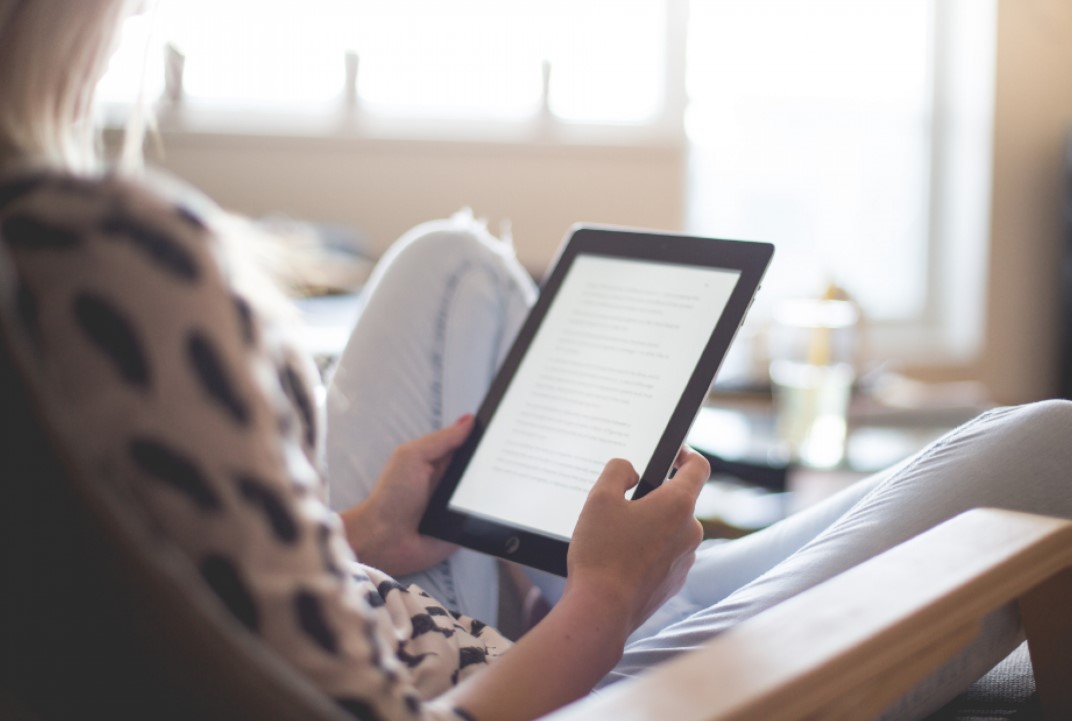
The story of digital reading is often told through the lens of speed and choice. Yet another layer deserves attention: the quiet environmental benefits that stack up over time. Readers may not notice how much waste is avoided when one click replaces one delivery truck. Still the numbers matter. Over the span of a year a single household can prevent the production of piles of paper and boxes.
Z library is one example of how a massive collection can thrive entirely in digital form. By offering millions of titles without the need for ink or transport it demonstrates how culture and ecology can align. The shift may not carry the drama of a protest or the spectacle of a campaign yet it reshapes daily life in subtle ways. When stories move from pulp to pixels they carry less burden on forests air and water. The end result is a future where knowledge grows while the planet breathes a little easier.

