


 Anita Kantar
Farming runs on timing. Farmers need to know what’s going on in their fields, barns, and storage sheds. New technology lets them see everything as it happens, and that’s changing how farms work and make money.
The Power of Instant Information
Real-time visibility is pretty straightforward. You get information right when something happens. It’s like experiencing the game in real-time compared to seeing the highlights the next day. From his couch, a farmer is assessing the moisture content of the soil. Equipment breaks? The phone buzzes immediately. Grain storage gets too warm? Another alert. This speed changes the whole game. No more morning drives to check the sprinklers. Sensors handle that now, all day, every day. Frost warning? You’ll know hours ahead. That’s enough time to save the tomatoes.
How Modern Technology Makes It Happen
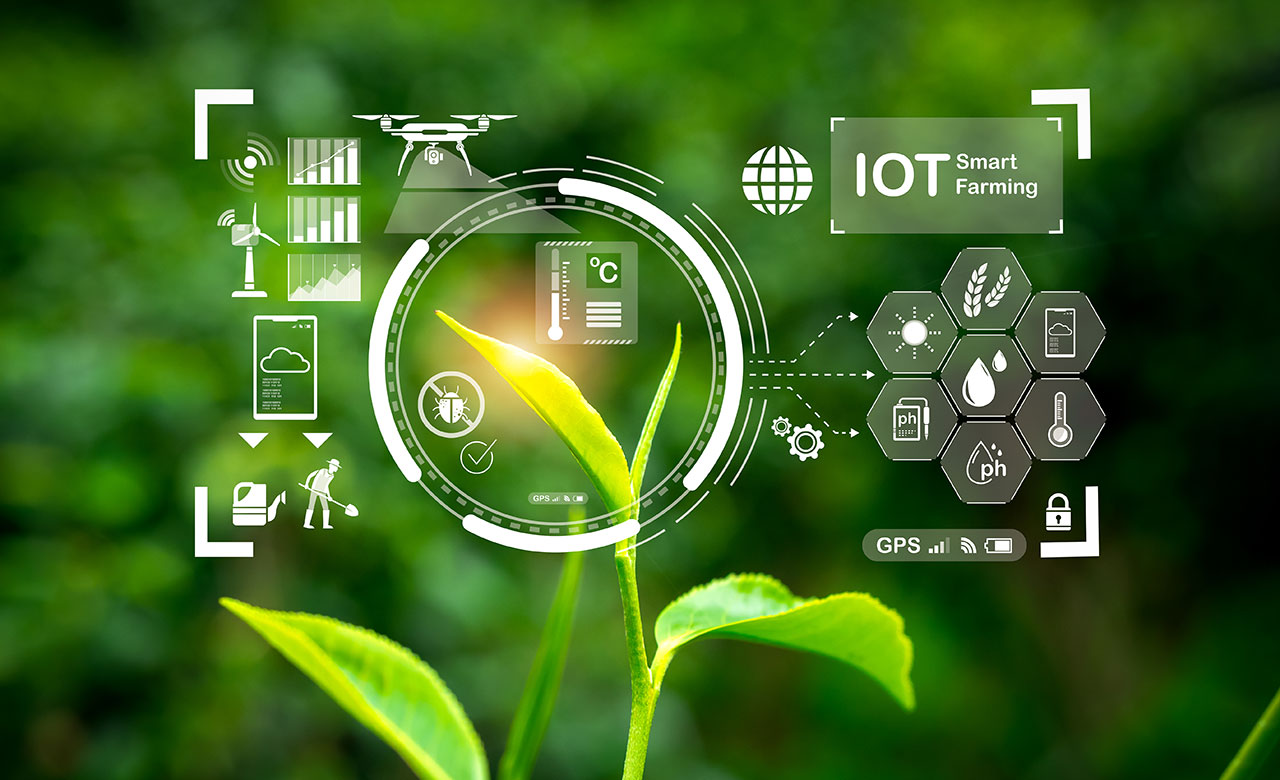
Small sensors scattered around the farm measure rainfall, track cattle, monitor humidity. They beam data through wireless networks straight to phones and laptops. One screen shows the whole operation. Technology is becoming more affordable and advanced. Solar sensors operate autonomously for years. Satellites capture crop health over large fields. Drones fly set patterns weekly. They spot bug infestations and yellow patches where nutrients are running low. Catching problems early makes all the difference.
Companies like Blues IoT build IoT agriculture solutions that connect remote farms to cloud servers without complex installations. These setups are great for remote areas with terrible internet. Farmers might begin with a few sensors and add more over time as they can afford it.
Benefits That Go Beyond Convenience
Here’s where it gets interesting financially. Farms use a third less water by irrigating based on soil moisture instead of a set schedule. Fertilizer gets right to where the plants need it. Nothing’s wasted. Tractors and combines last years longer because small issues get fixed before they blow up into expensive repairs.
Workers accomplish more too. Less time walking fields to check things means more time for jobs that actually need human brains and experience. One dairy operation cut cow-monitoring time in half. The cows are healthier now than before all the technology showed up.
Weather forecasting tied into farm operations also helps. Wheat gets harvested at 14% moisture instead of too wet or bone dry. Spray applications happen when wind and temperature are just right, so chemicals actually work. Protective coverings are put in place before the cold. It doesn’t happen after the damage has occurred. Solid data always beats lucky guesses.
Challenges and Solutions
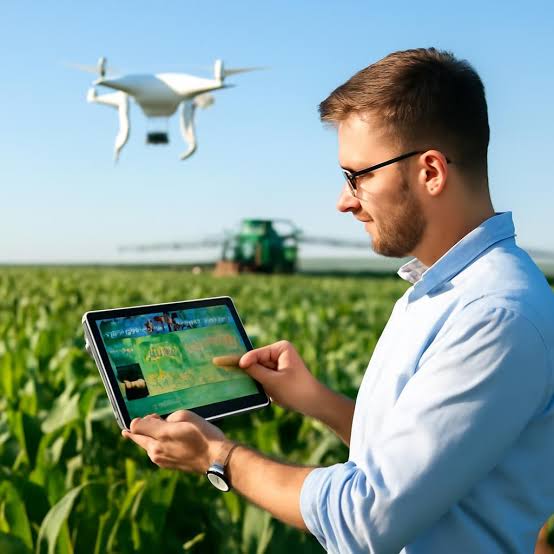
Getting started with monitoring technology sounds harder than it actually is. Today’s systems are built for farmers, not engineers. Plug them in, connect to Wi-Fi, start seeing data. Money is tight on most farms. But here’s what happens: basic monitoring on just the irrigation system saves enough water and electricity in four months to cover the whole system cost. Once that’s proven, expanding to livestock tracking or storage monitoring becomes an easier sell to the bank or the spouse.
Rural internet used to kill these dreams before they started. Not anymore. New transmission methods work over cellular networks or satellite connections. If you can get a text message, you can run sensors.
Conclusion
Farm management is being fundamentally transformed by real-time visibility. Current conditions, not yesterday’s jottings or a quick morning inspection, dictate decisions. Waste drops. Yields climb. Operations run smoother. Tech is getting cheaper and better. Farming without real-time data will quickly become a thing of the past, like horse-drawn plows. Smart farmers are jumping on board, learning how it works and seeing what’s in it for them. The rest will follow when they have to.

