


 Anita Kantar
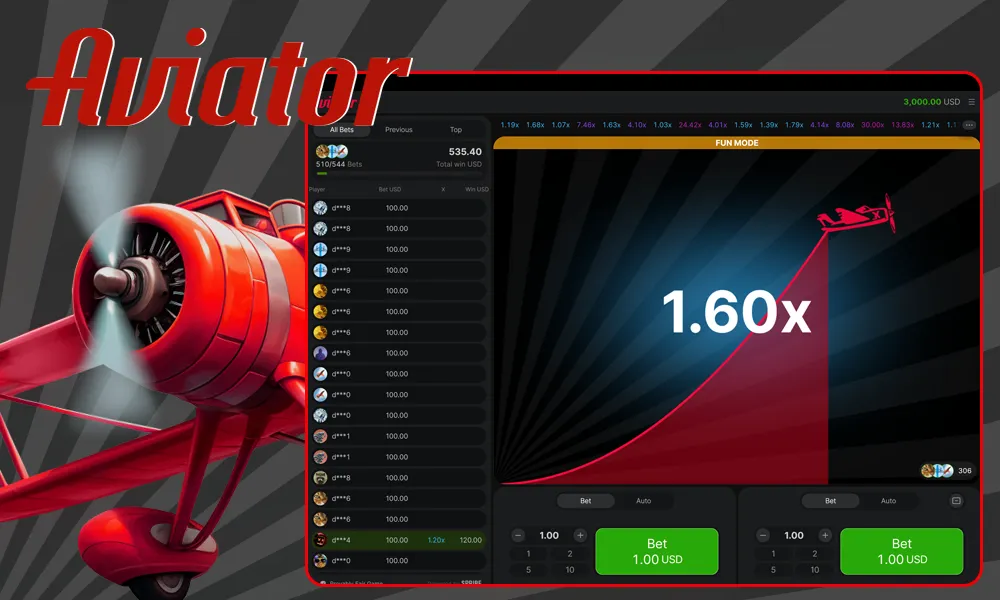
Aviator works because it captures a tension that most business leaders know well. Stay in longer, and the upside looks bigger. Exit too late, and the entire gain disappears. The mechanic feels simple on the surface, yet the lesson underneath is far more useful than the game itself. Strong operators rarely build around maximum possible outcomes. They build around repeatable decision quality.
That distinction matters in business. Plenty of companies lose focus because they keep chasing the highest point on the curve. They delay product launches, hold weak revenue lines too long, or stretch campaigns past their most efficient window. The cost usually appears later, through wasted capital, slower execution, and poorer timing. In contrast, disciplined businesses understand that a smaller gain captured at the right moment often creates more long-term value than a dramatic swing that looked exciting in the room.
Why Platform Quality Matters Before Any Lesson Can

Before looking at the strategy lesson, it helps to start with the environment itself. Timing-based mechanics only mean something when the platform is reliable, clear, and professionally run. In any online crash format, quality shapes trust. It affects how users read timing, how they interpret risk, and how consistent the experience feels from one session to the next.
That is why established platforms matter. A well-known example is Betway Aviator, which shows why users gravitate toward polished interfaces and stable performance. In strategic terms, this connects directly to business decision-making. Leaders make better calls when the system around them is dependable. Good dashboards, clean reporting, and stable operating conditions lead to sharper judgment. Weak infrastructure does the opposite. It introduces noise, delays signals, and makes poor decisions look reasonable for longer than they should.
The broader point is simple. Sound choices depend on sound environments. Whether the setting is a digital platform or a growing company, quality improves timing.
The Best Returns Often Come From Leaving Something on the Table
Experienced business people already know that greed rarely presents itself as greed. It usually arrives disguised as optimism. A campaign is still performing, so the team keeps spending. A product line is still selling, so no one wants to retire it. A negotiation is going well, so leadership pushes for one more concession. In each case, the logic sounds sensible. The problem is that the window for a good exit can close quickly.
Aviator mirrors this dynamic in a clean way. The reward does not go to the person who dreams the biggest. It goes to the person who recognizes an acceptable return and acts before conditions turn. Businesses that scale well use the same discipline. They accept that taking profit early, reallocating resources, and resetting for the next cycle can outperform waiting for a perfect peak.
This is one reason mature companies often look less dramatic from the outside. They do fewer heroic moves. They make more measured decisions. Over time, that difference compounds.
Small Wins Build Strategic Freedom

There is a practical reason smart businesses value timely wins. Captured gains create options. They protect cash flow, support reinvestment, and reduce pressure on the next move. A company that keeps banking solid outcomes can test faster and recover faster. It does not need every decision to become a breakout moment.
That mindset is especially useful in high-variance markets. Consider product development. A team that ships a focused feature set, proves demand, and expands in steps usually learns more than a team that waits for a grand reveal. The same applies to sales. Closing a good deal today can be more valuable than chasing an ideal deal that may never close. The return is not just financial. It is operational. It gives leadership room to breathe.
This is where compounding becomes more than a finance term. In business, compounding often comes from preserved momentum. One well-timed gain funds the next move. That move strengthens the system. The system then produces better opportunities. What looks modest in isolation becomes powerful in sequence.
Knowing When to Exit Is a Leadership Skill
Many companies talk about growth. Fewer build an internal culture that knows when to stop. Yet exit timing is at the center of strong management. It applies to markets, partnerships, product bets, and internal priorities. Leaders who struggle here often confuse endurance with wisdom. Staying longer can feel bold. In practice, it often reflects hesitation.
Good operators use clear thresholds. They decide in advance what success looks like and what conditions justify an exit. This reduces emotional decision-making when momentum is high. It also prevents teams from rewriting the rules midstream because they have become attached to the upside.
A useful discipline includes a few questions:
- What outcome is strong enough to justify locking in the gain?
- What signal would show that the risk now outweighs the upside?
Those questions matter because timing errors are rarely technical. They are emotional. Teams hold on because the story still sounds attractive. Strong leadership interrupts that pattern with structure.
Long-Term Success Comes From Repeatability, Not Drama

The enduring business lesson from Aviator is not about speed or excitement. It is about controlled judgment. Companies that last tend to favor repeatable wins over fragile peaks. They respect timing. They understand that consistency can look unremarkable in the moment while producing stronger results across a longer horizon.
That approach requires discipline. It also requires humility. Taking a solid gain and stepping back calls for confidence in the process rather than attachment to spectacle. Businesses that master this tend to allocate capital better, protect energy better, and make cleaner decisions when the next opportunity appears.
In the end, the smartest businesses are rarely the ones that stay in the air the longest. They are the ones who know the value of stepping off at the right time, then using that advantage to build again.

